Systems, not just screens.
A case-study layer for product systems, operational software, AI-connected workflows, and open-source engineering infrastructure. Each project is framed by the problem, architecture, decisions, proof, and outcomes because senior engineering should leave a trail.
Evidence, ordered for scanning.
JPope Tax Portal
A portal that behaves like operational software, not a veneer over back-office chaos.
JPOPE Tax Consultancy
A specialist tax consultancy turned into a public planning interface owners and advisors can route through.
TaxScout.app
Turns specialized tax engineering into software people can actually use.
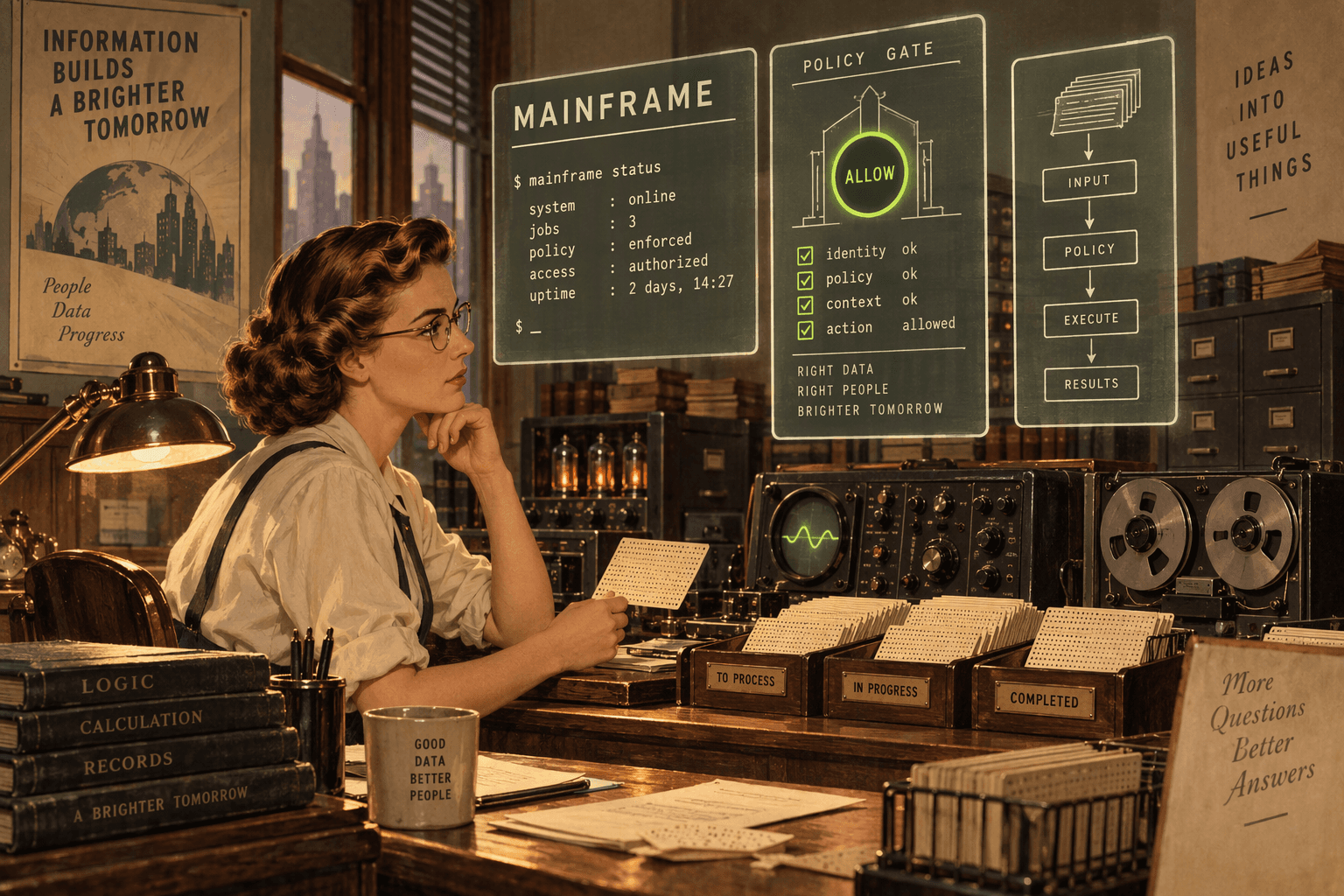
MAINFRAME
Infrastructure thinking, expressed in the most unforgiving runtime: pure shell.
PropertyJunk.com
Operational complexity turned into a single coherent software surface.
toddwatts.dev
A portfolio that increasingly behaves like a product demo for the person behind it.
Pi CMUX
Turns local Pi + CMUX work into an agent command center with shared state and recoverable handoffs.
Architecture, decisions, proof.

JPope Tax Portal
Enterprise client portal for tax consultancy
Documents, messages, requests, and tax workflow state enter through one portal surface.
Realtime data sync, access boundaries, document status, and communication records stay connected.
Clients and staff see a coherent operational layer instead of fragmented back-office tooling.
Shows productized tax consultancy operations rather than a static service brochure.
Open motion artifact ->The business needed one secure client surface instead of fragmented communication, ad hoc document exchange, and manual operational follow-up.
- Built a role-aware client portal with unified communication and document workflows.
- Used a realtime-capable frontend architecture so the product felt operational, not brochure-like.
- Focused on making enterprise complexity legible to both staff and clients.
- Enterprise-flavored interface discipline, not just marketing-site polish.
- Shows ability to design around access control and business workflow complexity.
- Demonstrates product thinking in a regulated, trust-heavy environment.
- Unified client communication surface
- Reduced manual back-office overhead
- Production-ready enterprise UX

JPOPE Tax Consultancy
JamiePope.com commercial real estate tax website
Acquisition, ownership, depreciation, credits, appeals, disposition, and CPA handoff questions enter through focused service and resource routes.
The site maps pressure points into planning lanes, service clusters, resource assets, newsroom notes, and consultation paths.
Visitors can understand the likely planning lane, review supporting material, and move toward a focused advisory conversation.
Shows information architecture, positioning, content modeling, and conversion paths for a specialized tax advisory practice.
JPOPE needed a public web presence that could explain specialized CRE tax strategy without flattening it into generic service copy or forcing owners to self-diagnose complex tax questions.
- Structured the site around decision pressure, planning lanes, service clusters, resources, and advisor-ready outputs.
- Turned niche tax expertise into a scannable public interface with direct routes into services, resources, newsroom notes, and consultation flow.
- Used the content architecture to connect commercial positioning with technical credibility and conversion clarity.
- Live production website with a full service taxonomy and advisor-friendly planning model.
- Frames 30+ years of CRE tax experience across 23 service areas and six planning lanes.
- Demonstrates ability to build a content-rich business site as a structured decision system, not a static brochure.
- Makes specialized CRE tax work easier to navigate
- Connects service strategy with conversion flow
- Turns domain expertise into a structured public system

TaxScout.app
AI-powered commercial real estate tax optimization
CRE assumptions, depreciation context, exchange scenarios, and user goals enter the model.
Tax workflows become structured decision paths with AI/MCP access for agent-assisted analysis.
Users get understandable optimization paths instead of raw tax logic and disconnected spreadsheets.
Pairs domain-heavy calculations with an AI/MCP-accessible product model.
Open motion artifact ->A domain-heavy tax workflow had to become understandable, actionable, and productized for users who care about financial outcomes more than internal complexity.
- Translated niche tax strategy into guided product workflows.
- Connected domain logic to AI/MCP access so the platform could participate in agent-driven workflows.
- Designed the frontend as a decision-support surface rather than a generic dashboard.
- Shows you can productize high-complexity domain knowledge.
- Signals AI integration as part of system design, not as a decorative feature.
- Combines frontend execution with business-model awareness.
- Turns niche tax logic into a usable product
- Demonstrates AI + domain depth
- Shows product thinking beyond pure frontend

MAINFRAME
Open-source bash stdlib for AI agents
Scripts, prompts, files, APIs, and terminal state flow into a bash-native standard library.
JSON, HTTP, CSV, memory, RAG, embeddings, and orchestration live without heavyweight runtime assumptions.
AI-native shell workflows gain reusable infrastructure instead of fragile one-off glue.
Highlights authorship, systems range, and inspectable open-source engineering.
Open motion artifact ->Agentic shell workflows are usually a mess of brittle scripts and duplicated glue logic. They need durable primitives, not one-off hacks.
- Built a broad bash-native standard library instead of relying on heavyweight runtime assumptions.
- Added memory, orchestration, and data-handling primitives so shell workflows could scale into systems.
- Framed the project as infrastructure for AI-native tooling, not just a utilities repo.
- Strongest evidence of systems-level engineering range in the portfolio.
- Gives technical peers a concrete artifact to inspect, evaluate, and trust.
- Signals authorship and initiative beyond client delivery work.
- Signals systems-level engineering range
- Shows open-source authorship
- Gives technical peers something concrete to inspect

PropertyJunk.com
Junk removal SaaS with integrated CRM
Customers, employees, schedules, fleet movement, billing state, and service requests enter one operating model.
CRM, scheduling, fleet visibility, and billing workflows are treated as one product surface.
Staff can coordinate real-world work without switching between disconnected tools.
Shows Gordon can design around real-world operational movement and not just static screens.
Open motion artifact ->A field-operations business needed software that could coordinate jobs, people, vehicles, customers, and billing without forcing staff to bounce between disconnected tools.
- Treated operations as a product surface, not just a CRUD admin panel.
- Designed around scheduling, fleet visibility, CRM, and financial workflow continuity.
- Used frontend structure to reduce operational friction for a real-world service business.
- Shows range across dashboards, workflows, and operational software design.
- Demonstrates practical SaaS thinking tied to actual business movement.
- Signals competence with systems that touch revenue-critical operations.
- Turns field operations into software
- Demonstrates breadth across product surfaces
- Shows real-world operational complexity

toddwatts.dev
This site — a living experiment
MDX posts, external feeds, project metadata, publish requests, and ops events enter one site system.
Aggregation, ranking, route handlers, browser gates, and ops history turn the portfolio into software.
Visitors see live signals, case files, operational telemetry, and engineering evidence in one interface.
Connects visual identity, metadata, content routes, and production verification into one system.
Open motion artifact ->A portfolio should not behave like a static brochure if the goal is to signal systems thinking, frontend ambition, and live technical credibility.
- Turned the site into a product surface with publishing, signal aggregation, and reusable data layers.
- Used the portfolio itself as a proving ground for design language and information architecture.
- Continues evolving toward a live informational engineering showcase instead of a generic personal site.
- The site is becoming a public artifact of how content, systems, and presentation connect.
- Demonstrates willingness to iterate based on critique instead of treating the portfolio as finished.
- Makes the frontend itself part of the proof surface.
- Acts as a public product demo
- Shows how content, design, and systems connect
- Lets the site itself become proof of capability

Pi CMUX
Local multi-agent command center for Pi + CMUX
Pi workflows, CMUX workspaces, browser observations, locks, checkpoints, and session state are bridged.
Extensions coordinate terminal and browser work with recoverable state and shared operational memory.
Local multi-agent teams can operate with handoffs, status, and recovery instead of scattered context.
Uses a public repository and installable extension family as the inspected artifact.
Local agent work often loses shared context across terminals, browser surfaces, handoffs, and long-running team coordination.
- Packaged four coordinated Pi extensions as one installable family for CMUX-powered workflows.
- Added bridges between Pi sessions and CMUX workspaces, surfaces, events, and status records.
- Built browser intelligence primitives for locks, checkpoints, observations, recovery, and durable memory.
- Public open-source repo with installable Pi package metadata and detailed documentation.
- Shows local-first multi-agent orchestration across terminal and browser surfaces.
- Connects agent coordination, browser automation, and design workflows into one operating layer.
- Makes local agent teams easier to coordinate
- Connects browser and terminal work surfaces
- Creates reusable open-source agent infrastructure